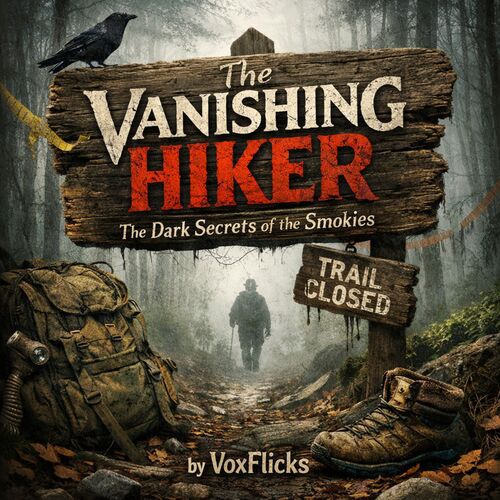
The Dyatlov Pass Incident: The Frozen Camp of Terror
A summer camp horror, summer camp horror · book audiobook.A summer camp horror, summer camp horror · book audiobook.
Chapter 1: Into the Unknown...—
The wind howls through the Ural Mountains like a restless spirit, carving its way through the frozen peaks. It’s February 1959, and the world is still waking up to the promise of a new decade. But in the remote wilderness of the Soviet Union, something far darker is stirring. Nine experienced hikers—students, athletes, adventurers—have set out on what should have been a routine expedition. They are led by Igor Dyatlov, a man whose name will soon become synonymous with the unspeakable.
The group is well-prepared. They’ve trained for months. They’ve mapped their route, packed their gear, and checked their supplies. But the mountains have a way of rewriting plans. The Urals are no stranger to danger—blizzards, avalanches, sudden drops in temperature—but this time, something else is waiting. Something that doesn’t fit into any guidebook.
On the evening of January 23rd, the hikers make camp near a mountain they’ll later name Otorten. The name means "Don’t Go There" in the language of the indigenous Mansi people. A warning, perhaps. A superstition. But the group is confident. They’ve faced harsh conditions before. They’ve pushed through exhaustion, hunger, and the gnawing cold. This time, though, the cold will push back.
The last radio transmission is brief, almost casual. A voice crackles over the airwaves, reporting their position. Then—silence. Not the silence of sleep, but the kind that lingers when something has gone terribly wrong. The next morning, the tent is found abandoned. The flaps are cut open from the inside, as if the hikers fled in a panic. Their boots, their gloves, their most valuable belongings—all left behind.
The search begins. Rescuers comb the snow, following a trail of footprints that leads deeper into the wilderness. But the tracks don’t make sense. Some hikers are barefoot, their soles blackened by frostbite. Others are dressed in nothing but their underwear, their bodies scattered across the slopes. One man is found with his skull crushed. Another with her tongue missing. The injuries don’t match any known animal attack. The positions of the bodies suggest a desperate, chaotic flight from something unseen.
And then there’s the radiation. Traces of it linger on the hikers’ clothing, on their personal effects. A detail that will haunt investigators for decades. Was it a secret Soviet experiment gone wrong? A military test site nearby? Or something far more ancient, buried in the ice?
The official report calls it an "unknown compelling force." A phrase that sounds like an admission of defeat. The case is closed, but the mystery remains. The hikers’ fate is sealed in the frozen earth, their stories locked away in the silence of the mountains.
But the silence never lasts. Because in the darkest corners of the world, some questions refuse to stay buried. And the Dyatlov Pass Incident is only the beginning.
The next chapter waits in the shadows.
Chapter 2: Whispers in the Snow...—
The wind howls through the Ural Mountains like a restless spirit, carving its name into the snow. It’s February 1959, and the world beyond this frozen wilderness is a distant memory. The Dyatlov group—nine experienced hikers—should have been home by now. Instead, their tent sits abandoned, its flaps torn open as if by unseen hands. The cold has claimed their footprints, their voices, their very presence. But something else lingers. Something that doesn’t belong.
The first to find the camp is a search team, their breath curling in the air like ghostly fingers. They move cautiously, their boots crunching over the snow, their flashlights cutting through the endless white. The tent is a mess—sleeping bags slashed, belongings scattered. No signs of struggle, no blood. Just the eerie silence of a place that should have been alive with laughter and warmth. One of the rescuers bends down, his gloved fingers brushing against something half-buried in the snow. A boot. A single, abandoned boot, its owner nowhere in sight.
The hikers had been on a routine expedition, a winter trek through the northern Urals. They were veterans of the outdoors, seasoned climbers who knew the dangers of the mountains. Yet something had driven them from their shelter in the dead of night, half-dressed, without their shoes. The rescuers fan out, their voices tight with tension as they call into the void. The wind answers back, whispering secrets in a language they don’t understand.
Then, the first body is found.
Not far from the tent, a figure lies sprawled in the snow, arms outstretched as if reaching for something just beyond grasp. The rescuers approach slowly, their hearts pounding. The corpse is frozen solid, its face contorted in terror. But what chills them most is the condition of the body—ribs crushed inward, as if something had pressed down with impossible force. No animal could have done this. No human either.
The search continues, the rescuers moving deeper into the wilderness, their radios crackling with static. The snow is untouched, pristine. Yet the hikers had to have gone somewhere. Then, another discovery—a second body, this one partially buried. The rescuers dig frantically, their hands numb from the cold, their breaths coming in ragged gasps. The corpse’s mouth is open, as if frozen mid-scream. And in its hand, a scrap of cloth—torn from one of the missing hikers’ jackets.
The wind picks up again, howling through the trees like a mournful dirge. The rescuers exchange uneasy glances. They’ve heard the stories—the legends of the Urals, the tales of ancient curses and vengeful spirits. But this is 1959. This is real. This is happening.
Then, the radio crackles to life. A voice, distorted and distant, cuts through the static. It’s one of the searchers, calling from the ridge above. They’ve found something. The rescuers hurry, their boots slipping on the ice, their breaths coming in short, sharp bursts. At the top of the ridge, the scene is even worse. Three more bodies, huddled together in a makeshift shelter of branches and snow. Their faces are turned toward the sky, their expressions frozen in horror. And in the distance, the faint outline of a figure—another hiker, standing alone in the snow, as if waiting for something.
The rescuers approach cautiously, their weapons drawn. The figure doesn’t move. Doesn’t react. It’s just standing there, staring into the void. Then, as they get closer, they see it—the hiker’s chest is split open, his ribs splayed wide, as if something had clawed its way out from the inside.
The wind howls again, and the figure turns. Its eyes are wide, unblinking. Its mouth opens, and for a moment, the rescuers think it’s going to speak. But all that comes out is a whisper—a sound so faint, so inhuman, that it sends a shiver down their spines.
Then, the figure collapses.
The rescuers rush forward, but it’s too late. The hiker is gone. Vanished into the snow. The only thing left is a single, bloodstained glove, lying in the snow like a silent accusation.
The search continues for days. More bodies are found, each one more gruesome than the last. Some are missing limbs. Others have their tongues cut out. And in the center of it all, the tent sits abandoned, its flaps still fluttering in the wind, as if waiting for its occupants to return.
But they never do.
The Dyatlov Pass Incident remains unsolved to this day. The official reports speak of avalanches, of infrasound-induced panic. But those who were there know the truth. Something was in those mountains with them. Something that didn’t belong.
And it’s still out there.
Waiting.
Listening.
Whispering in the snow.
Chapter 3: The Frozen Abandonment...—
The wind howls through the Ural Mountains like a dying beast, its voice scraping against the frozen earth. It’s February 26, 1959, and the snow has buried the world in silence. Somewhere in this vast, indifferent wilderness, a tent stands abandoned. Its flaps are torn open, as if someone—or something—ripped through them in a panic. Inside, the sleeping bags are empty, the gear scattered. The last traces of warmth have long since fled.
The Dyatlov group had been here. Nine experienced hikers, led by Igor Dyatlov himself, had set up camp on the slopes of Kholat Syakhl, the Mountain of the Dead. They were well-prepared. They knew the risks. And yet, something had driven them out into the night, barefoot, into temperatures that could kill a man in minutes.
The first clue is the footprints. They lead away from the tent in a chaotic sprawl, some heading toward the treeline, others veering off in different directions. Some are bare, the skin already blackened by frostbite. Others are clad in boots, but the tracks don’t make sense. They loop back on themselves. They stop abruptly, as if the walkers had simply vanished.
And then there are the bodies.
The first three were found near an old fire pit, their faces frozen in expressions of terror. Their clothing was torn, their skin bruised as if they had been beaten. But the injuries didn’t match any known animal attack. The second group was discovered deeper in the woods, their bodies half-buried in the snow. One man’s ribs were crushed inward, as if something had pressed down on him with impossible force. The last two were never found.
The investigators would later call it "an unknown compelling force." But what force could make nine trained hikers flee their shelter in the dead of night? What could make them abandon their shoes, their coats, their survival gear? The answers, if they exist, are buried in the ice.
The search teams combed the area for weeks, their radios crackling with static as they called out into the void. The snow swallowed their voices whole. The mountain kept its secrets.
And then, there was the strange radiation.
The hikers’ belongings were tested. Their clothes, their film, even the surrounding snow—all showed traces of radiation levels far higher than normal. Had they stumbled upon something they weren’t meant to see? A military test site? A secret Soviet experiment? Or something older, something buried in the earth itself?
The official report would blame "an unknown natural force." But the truth is, no natural force could explain what happened here.
The wind still whispers through the trees, carrying the echoes of their last moments. The mountain remembers. And if you listen closely, you might hear them too.
The story doesn’t end here. It only gets colder.
Chapter 4: Traces in the Snow...—
The wind howls through the Ural Mountains, a relentless whisper against the snow-laden pines. It carries with it the weight of something unseen, something that lingers just beyond the reach of human understanding. The search party moves cautiously, their boots crunching through the frozen crust, their breath visible in the frigid air. They are following the last known path of the Dyatlov group—nine experienced hikers who vanished without a trace. Or so they thought.
The first clue is the tent. Or rather, what’s left of it. The canvas is torn open from the inside, as if the hikers had fled in a panic. The sleeping bags are still inside, neatly rolled, their contents undisturbed. No signs of struggle. No signs of violence. Just an eerie stillness, broken only by the occasional gust of wind that sends a shiver down the spines of the searchers.
One of the men kneels, brushing snow from the ground. His gloved fingers trace the faint impressions left behind—footprints, leading away from the tent. But something is wrong. The tracks are erratic, as if the hikers were running. Some are barefoot, their prints deep and uneven in the snow. Others drag, as if the person was injured. And then there are the others—too large to be human, too heavy to be anything natural.
The search party follows the trail, their flashlights cutting through the darkness. The forest is silent, unnaturally so. No birds. No animals. Just the crunch of snow beneath their boots and the distant, unnatural creak of branches. The footprints lead them to a nearby stream, where the snow is disturbed, as if something had been dragged through the water. The men exchange uneasy glances. This isn’t right. Hikers don’t just abandon their gear. They don’t run barefoot into the wilderness. And they certainly don’t leave tracks that defy explanation.
Further down the slope, they find the first body. A woman, her face frozen in terror, her clothes torn and her skin marred by strange, deep lacerations. She is lying facedown, her arms outstretched as if she had been trying to crawl to safety. The men hesitate, their breath coming in ragged gasps. This isn’t just a missing persons case anymore. This is something else. Something darker.
The search continues, the trail growing more erratic, more desperate. Another body is found, this one partially buried in the snow. His ribs are crushed inward, as if he had been struck by an immense force. The men whisper among themselves, their voices low and strained. They’ve heard the stories—the legends of the Urals. The whispers of something ancient, something that watches from the shadows. But they dismiss it. There has to be a rational explanation.
Yet the evidence keeps piling up. Another hiker is found, his skull fractured, his body contorted in an unnatural position. The searchers’ hands tremble as they document the scene. The footprints lead them higher, toward the treeline, where the wind is stronger, the cold more biting. And then, they see it—a final set of tracks, leading straight up the slope, as if the hikers had been trying to climb to safety. But the slope is steep, nearly vertical. No one could have survived the fall.
And yet, there are no bodies here. Just the tracks, fading into the snow. The search party stands at the edge of the cliff, their hearts pounding in their chests. The wind howls around them, carrying with it a sound—something like a whisper, something like a laugh. They don’t stay long. They don’t want to.
Back at the camp, the investigators pore over the evidence. The torn tent. The barefoot footprints. The crushed ribs. The fractured skulls. The missing bodies. And the tracks—those impossible, unnatural tracks. They try to piece together what happened, but the puzzle refuses to fit. The hikers were experienced. They were prepared. They knew the dangers of the mountains. So why did they run? Why did they leave everything behind? And what—or who—was chasing them?
The answers, if they exist, are buried deep in the snow. And the snow, as the old stories say, never forgets.
Chapter 5: Vanished Without a Trace...—
The wind howls through the Ural Mountains like a restless spirit, carrying whispers of the dead. It’s February 26, 1959, and the search party has just found the abandoned tent. The flaps are torn open, the sleeping bags slashed from the inside out. No footprints lead away. No signs of struggle. Just silence—thick, suffocating silence. The hikers are gone. Vanished into the frozen wilderness without a trace.
The search team moves cautiously, their breath visible in the frigid air. The tent’s location is strange—too far from the planned route, as if the group had been forced to stop abruptly. The fire pit nearby is cold, the embers long dead. But something is wrong. The hikers were experienced. They wouldn’t have left their camp like this. Not without a reason.
One of the rescuers kneels, brushing snow from the ground. His gloved fingers find something buried beneath the ice—a single boot, abandoned. The sole is worn, the laces still tied. No blood. No signs of violence. Just… gone. The others exchange uneasy glances. Where did they go? And why?
The answers, if they exist, are buried in the snow.
---
Back in the village, the families of the missing hikers wait. The Dyatlov group was supposed to return by February 12. When they didn’t, the first search teams were sent out. But the Urals in winter are unforgiving. The storms come without warning. The temperatures drop to -30 degrees Celsius. And yet, the hikers were prepared. They had food. They had supplies. They had each other.
So why did they leave their tent?
Theories begin to swirl. Some say they fled in terror. Others whisper of an avalanche, though the terrain shows no signs of one. The most chilling possibility lingers in the back of everyone’s mind: something made them run. Something they couldn’t outpace.
The search widens. Days turn into weeks. The rescuers follow the faintest of clues—a torn piece of clothing, a half-buried backpack. Then, on February 26, they find the first body.
Yuri Doroshenko lies face-down in the snow, his hands clawing at the ground as if he’d been crawling for his life. His jacket is missing. His feet are bare. The cold has preserved his final moments in grotesque detail. His face is frozen in a silent scream.
The rescuers stand frozen themselves, unable to look away. What could have driven a man to strip off his clothes in subzero temperatures? What could have made him run until his body gave out?
The answer is worse than they imagined.
---
The next body is found a short distance away. Igor Dyatlov, the group’s leader, is discovered with massive chest trauma—his ribs crushed inward, as if something had struck him with incredible force. Yet there are no marks on his skin. No blood. No weapon. Just the unnatural angle of his bones, twisted in ways that defy explanation.
The rescuers exchange uneasy glances. This isn’t an accident. This is something else.
Then they find the others.
Some are half-buried in the snow, their bodies contorted in unnatural positions. One hiker’s tongue is missing. Another’s eyes are gone. The final two are found weeks later, their remains scattered across the mountainside. The authorities will later classify their deaths as “unknown.”
But the truth is far more terrifying.
---
In the days that follow, the search teams uncover more horrors. A strange, faint radiation is detected near the campsite. The hikers’ film is developed, revealing eerie, distorted images of something moving in the trees. The last entry in one of their journals reads: “They’re coming.”
The government seals the case. The files are classified. The families are told to move on.
But the mountains remember.
The wind still carries their voices. The snow still hides their secrets. And somewhere in the frozen wilderness, the truth remains buried—waiting for someone brave enough, or foolish enough, to dig it up.
What really happened on that fateful night in the Urals?
The answer is still out there.
And it’s watching.
Chapter 6: Frozen in Fear...—
The wind howled through the Ural Mountains like a dying beast, its icy breath carving through the trees with a sound like shattering glass. It was February 1959, and the cold was not just a presence—it was a predator. The kind that gnaws at your bones until you forget what warmth feels like. Somewhere in that frozen labyrinth, nine hikers had vanished. Their tent, slashed open from the inside, stood as a silent testament to something unspeakable. But the real horror was yet to come.
The search team moved cautiously, their boots crunching through the snow like the last footsteps of men who knew they were being watched. The first body they found was Yuri Yudin. Or rather, what was left of him. His face was frozen in a rictus of terror, his eyes wide and unblinking, as if he had seen something that had burned itself into his soul before death took him. His clothes were torn, his skin mottled with bruises that looked like the marks of unseen hands. But the worst part? The way his fingers were curled, as if he had been clawing at something—or someone—in his final moments.
The others were scattered across the mountainside, each one more grotesque than the last. Some were found barefoot, their feet blackened by frostbite, their toes shattered like brittle twigs. Others were missing limbs, their flesh torn away as if by some savage force. And then there was Rustem Slobodin. His skull had been crushed, his brain matter frozen solid in the snow. The coroner’s report would later describe it as a blow so violent it could only have come from a falling tree—or something far worse.
But the most chilling discovery was the final body. That of Igor Dyatlov himself. His chest was caved in, his ribs shattered inward as if he had been struck by an immense, invisible force. The coroner would later rule it a fatal injury, but no one could explain what had caused it. There were no signs of struggle, no weapon, no blood. Just a man who had been crushed from the inside out.
The investigators were baffled. Theories swirled like the snow around them. Avalanche? Unlikely—the terrain showed no signs of a slide. Animals? The injuries were too precise, too deliberate. A secret military experiment? The Soviet government denied any involvement, but the whispers persisted. And then there was the most terrifying possibility of all: that something had come for them in the night. Something that didn’t belong in the world of men.
The hikers’ journals offered no answers, only fragments of fear. One entry, written in a frantic scrawl, read: "We are being followed. It’s not human." Another, scrawled in the margins of a map, simply said: "Run."
The search team packed up their gear, their breath visible in the frigid air. They had found the bodies. They had documented the injuries. But they had no answers. Only questions that would haunt them for the rest of their lives.
As they turned to leave, one of the men paused. He swore he heard something—a low, guttural growl, like the sound of something ancient and hungry stirring in the dark. He turned back, his flashlight cutting through the snow, but there was nothing there. Just the wind. Just the cold.
And the feeling that they were not alone.
The case was closed. The files were sealed. The world moved on. But the Ural Mountains remembered. And in the quiet moments, when the wind died down and the snow stopped falling, you could still hear the echoes of their screams.
What had happened to the Dyatlov Pass hikers would remain a mystery. But one thing was certain: whatever it was, it was still out there. Waiting. Watching.
And it was hungry.
Chapter 7: The Wounds of the Unknown...—
The wind howls through the skeletal trees of the Ural Mountains, a sound like a dying breath. It carries with it the weight of something unseen, something that does not belong to this world. The snow crunches underfoot, betraying the presence of those who dare to tread where they should not. The hikers of Group 4 had come seeking adventure, but adventure is a fickle thing—it does not always give what it promises.
The tent was found first. A jagged tear in the fabric, as if something had clawed its way out—or in. The sleeping bags were scattered, some still warm when the searchers arrived. But the hikers themselves were gone. Not a single footprint led away from the camp. Just the wind, and the silence, and the terrible, gnawing sense that something had taken them.
Then came the bodies.
The first was found a hundred meters from the tent, barefoot in the snow, his chest crushed inward as if by an immense force. His face was frozen in a rictus of terror, his eyes wide and unseeing. The second was discovered later, half-buried in the drifts, his ribs shattered, his skin torn away in long, deliberate strips. The third had sought shelter beneath a cedar tree, his hands clawed at the bark as if he had tried to pull himself up, to escape whatever pursued him. His skull was split open, his brain exposed to the elements.
And then there was the girl.
Her body was found last, the most distant from the camp, her legs broken in multiple places, her tongue missing. The coroner’s report would later note the presence of radiation on her clothing, a detail that would haunt investigators for decades. But in that moment, all that mattered was the way her fingers were curled, as if she had been reaching for something—or someone—just out of sight.
The wounds were unlike anything the searchers had ever seen. Not from animals. Not from men. The bones were broken in ways that defied physics, the flesh torn in patterns that suggested something with too many limbs, too many teeth. The hikers had not died quickly. They had fought. They had run. And in the end, they had been taken.
Theories would come later. Infrasound. Military experiments. Alien encounters. But none of them explained the way the snow had been disturbed, not by footprints, but by something that moved without leaving a trace. None of them accounted for the way the survivors—those who had been spared, for reasons unknown—would later speak of a presence in the dark, something that watched them from the trees.
The wind still howls in the Urals. The trees still whisper. And somewhere in the endless white, the wounds of the unknown remain unhealed.
The next chapter awaits.
Chapter 8: Beyond the Barrier...—
The wind howls like a wounded animal, tearing through the skeletal trees of the Ural Mountains. It’s February 1959, and the cold is a living thing, clawing at the faces of the search team as they push deeper into the wilderness. They’ve found the tent—ripped open from the inside, as if something had forced its way out. But the real horror lies beyond the barrier of the camp, where the snow is stained with something darker than frost.
The hikers were experienced. They knew the dangers of the mountains, the way the weather could turn in an instant. Yet here, in the heart of the Dyatlov Pass, they had fled their shelter in terror, some barefoot, some in their underwear, their bodies scattered across the frozen landscape. The first victim they found was Lyudmila Dubinina, her skull crushed, her tongue missing. The others were just as brutalized—broken ribs, missing eyes, radiation burns. But the most chilling detail? The way their clothes were torn, not by human hands, but by something with a force beyond comprehension.
The search team moves cautiously, their flashlights cutting through the gloom. The snow here is disturbed, as if something massive had dragged itself across the ground. And then—footprints. Not human. Too wide, too deep, too... wrong. They lead toward a nearby ridge, where the wind carries a sound like distant screaming. The men hesitate. No one wants to go further. But they have to. Because whatever happened here didn’t just kill the hikers. It left a trail.
The radio crackles to life, a voice breaking through the static. "We’ve found another body." The words are hollow, drained of emotion. The speaker doesn’t say what they’ve seen, but the silence that follows speaks volumes. The hikers weren’t just attacked. They were hunted. And whatever did it is still out there.
The team presses on, their breath visible in the frigid air. The trees here are twisted, their branches clawing at the sky like skeletal fingers. The snow is thick, untouched—except for the drag marks. They lead to a clearing, where the ground is scorched black, as if something had fallen from the heavens. The air smells of ozone and burning flesh. And then, the wind shifts. A low, guttural growl echoes through the trees. Not an animal. Not human. Something else.
The men freeze. The growl comes again, closer this time. The radio hisses, a voice barely audible over the static. "Get out. Now." But it’s too late. The snow beneath them trembles. The trees shudder. And then—movement. A shadow, massive and misshapen, lurches into view. The men scream. The radio cuts to silence.
Back at the camp, the search team’s leader stares at the wreckage of the tent. The hikers’ belongings are scattered—cameras, journals, a single, bloodstained photograph. He picks it up. In the dim light, he can just make out the figures in the frame. Nine of them, smiling, unaware of what awaits. But there’s something else in the photo. A blur at the edge, something tall and hunched, watching from the trees. His hands shake. He drops the photograph.
The wind howls again. The night stretches on. And somewhere in the darkness, something waits.
The truth is buried here. But the deeper they dig, the more they realize—some barriers were never meant to be crossed.
Chapter 9: The Shadow Draws Near...—
The wind howled through the Ural Mountains like a living thing, its icy fingers clawing at the remnants of the Dyatlov group’s abandoned tent. The fabric, once taut and secure, now lay in tatters, as if something had torn through it with deliberate fury. The snow beneath was trampled—not by the careful steps of hikers, but by something heavier, something that had dragged itself across the frozen earth. The air smelled of iron and something else, something faintly electric, like the charge before a storm.
Investigators would later describe the scene as "unnatural." The tent had been cut open from the inside, but there were no signs of struggle. No footprints led away. Just... silence. And then, the first body.
Lyudmila Dubinina was found facedown in the snow, her tongue and eyes missing. The coroner’s report would call it "force trauma," but the truth was more unsettling. The wounds were precise, almost surgical. As if something had taken what it needed and left the rest behind.
The others were scattered. Some had fled barefoot into the night, their tracks vanishing abruptly, as if they’d been lifted from the ground. Others were found near the edge of a ravine, their bodies broken in ways that defied physics. One hiker’s ribs were crushed inward, as if something had wrapped around him and squeezed. Another’s skull was fractured from the inside out.
And then there was Igor Dyatlov himself. The leader. The one who had documented everything in his journal—until the final entry, where the handwriting grew frantic, the words smudged by what looked like blood.
"They’re coming. The shadows—"
The last word was cut off. The page was torn.
By the time the search party arrived, the camp was already a graveyard. The hikers’ belongings were strewn about, their cameras smashed, their watches stopped at different times. The only thing untouched was a single photograph, half-buried in the snow. It showed the group standing in front of their tent, smiling. But in the background, just at the edge of the frame, something moved. A shape. A shadow that didn’t belong.
The investigators would call it a hoax. A trick of the light. But those who had been there knew better. The wind carried whispers in a language no one recognized. The snow shifted underfoot, as if something beneath it was stirring. And in the dead of night, when the cold was thickest, the survivors swore they could hear footsteps—slow, deliberate, drawing nearer.
The Dyatlov Pass Incident was never solved. The files were sealed. The truth was buried deeper than the bodies.
But the shadows... the shadows never left.
And now, something is watching again.
Chapter 10: Breaking Point...—
The wind howls through the Ural Mountains like a living thing, a relentless force that carves its name into the frozen earth. It’s January 1959, and the cold is not just a presence—it’s an enemy. The Dyatlov Pass hikers, nine souls who once laughed and joked around their campfire, are now scattered across the snow, their bodies broken in ways that defy explanation. The tent they abandoned stands in tatters, its fabric torn from the inside out, as if something had clawed its way free. But what?
The investigators, bundled in thick wool and fur, move cautiously through the wreckage of Camp 4. Their breath comes in ragged clouds, their boots crunching through the brittle snow. The scene is wrong. Too wrong. The tent’s poles are bent inward, not outward—no storm could have done this. And the footprints… they lead away in chaos, some barefoot, some in socks, as if the hikers had fled in a panic, their minds unhinged by terror.
One of the searchers, a seasoned mountaineer, kneels beside a set of tracks. They’re too large to be human. Too deep. He hesitates, then reaches out, brushing snow from the impression. The print is massive, the toes splayed in a way that makes his stomach twist. He stands abruptly, his gloved hand trembling. “This isn’t right,” he mutters, but the wind steals his words.
Back at the camp, the investigators find the hikers’ belongings strewn about—knives, watches, even a camera, all left behind in their haste. But the most chilling discovery is the journal. The last entry is dated January 28, 1959. The handwriting is frantic, the words barely legible. “Something is out there,” it reads. “It’s watching us. We can’t go back. We can’t stay.”
The investigators exchange uneasy glances. The Dyatlov group was experienced. They knew the risks of the mountains. They wouldn’t have panicked without reason. But what could have driven them to abandon everything, to run into the night in nothing but their underwear?
The answers, if there are any, lie in the bodies. And the bodies are telling a story of their own.
The first victim, Yuri Yudin, was the only one who turned back before the final ascent. He never made it to the pass. The others did. And what they found there… well, the evidence is scattered across the snow like breadcrumbs leading to a nightmare.
The second body, found near the tent, has a gaping wound in its chest. Not from an animal. Not from a fall. The flesh is torn, as if something had reached inside and ripped its way out. The investigators’ radios crackle with static, their voices tight with dread. “This isn’t human,” one whispers. “This is something else.”
The third body is worse. It’s missing its tongue. The skin around the mouth is raw, as if it had been torn out by force. The investigators’ hands shake as they document the findings. They don’t speak. They don’t dare.
And then there’s the fourth body. The one found under the snow, its skull crushed. The investigators stare at the shattered bone, the way the fragments are splayed outward, as if something had exploded from within. One of them retches, turning away. The others don’t blame him.
The wind howls again, a mournful wail that seems to come from everywhere and nowhere. The investigators huddle closer, their breath fogging in the air. They know they should leave. They know they should report what they’ve found. But a part of them wonders—what if whatever did this is still out there? Watching. Waiting.
The radio crackles to life, a burst of static cutting through the silence. A voice, distant and distorted, speaks in Russian. “You shouldn’t have come here.” The investigators freeze. The voice isn’t on the radio. It’s in the wind. It’s in the trees. It’s everywhere.
And then, just as suddenly as it began, the voice is gone. The wind dies down. The snow stops falling. The world holds its breath.
The investigators don’t wait any longer. They gather their gear, their movements hurried, their eyes darting to the shadows. They don’t look back as they descend the mountain, their footsteps quickening with every step. They don’t speak. They don’t need to.
Because they all know the truth.
The Dyatlov Pass is not just a place. It’s a warning.
And they’ve just crossed the breaking point.
1
The wind howls through the skeletal trees, a mournful dirge that cuts through the frozen silence of the Ural Mountains. It’s February 1959, and the snow lies thick, untouched—except where something, or someone, has disturbed it. The search team moves cautiously, their breath visible in the frigid air, their boots crunching over the brittle crust of ice. They’ve been following the trail for days, guided only by the faintest of clues: a torn piece of fabric snagged on a branch, a single boot print half-buried in the drift. But now, as the sun dips low, casting long, jagged shadows across the landscape, they find it.
The tent.
Or what’s left of it.
It’s not just abandoned—it’s torn open from the inside. The flaps are ripped wide, as if someone—or something—fled in a panic. The searchers exchange uneasy glances. This isn’t the work of an animal. This is deliberate. And then they see the footprints. Not one set, but many, leading away from the camp in a chaotic, stumbling pattern. Some are barefoot. Others are dragging. And a few… a few are too large to belong to any of the hikers.
The radio crackles to life, a voice breaking through the static. "We’ve found the tent. It’s… it’s not right. You need to see this." The words are hurried, strained. The man speaking sounds like he’s fighting to keep his voice steady. The others listen, their own breaths shallow, their hearts pounding in time with the wind.
Inside the tent, the searchers find the last remnants of warmth. The stove is still warm to the touch, though it’s been days since the hikers were last seen. The sleeping bags are neatly rolled, the supplies packed—except for one thing. The food. The food is gone. Not just some of it. All of it. Every last crumb. And yet, there’s no sign of a struggle. No blood. No signs of violence. Just… an absence. A void where nine people should have been.
One of the searchers, a man named Yuri, kneels down and brushes the snow away from the ground. Beneath it, he finds something that makes his blood run cold. A single, deep gouge in the earth, as if something heavy had been dragged away. And next to it, a footprint. Not a boot. Not a shoe. A bare foot, pressed into the frozen ground. But the toes are pointed in the wrong direction.
The wind picks up again, carrying with it a sound that doesn’t belong. A whisper, perhaps. Or a laugh. The searchers freeze, their hands tightening around their rifles. The forest is silent now, too silent. The kind of silence that comes before something terrible happens.
Then, another sound. A crack. Like a branch breaking underfoot. But no one moved.
The searchers turn in unison, their eyes scanning the trees. Nothing. Just the endless white expanse of snow and the black void of the forest beyond. But the feeling lingers. The feeling that they’re not alone.
Back at the tent, the searchers gather what little evidence they can. A torn piece of clothing. A notebook, its pages filled with frantic, half-finished sentences. "Something is out there. It’s watching us. It’s—" The rest is illegible, the ink smeared as if the writer had been interrupted mid-sentence.
And then, the worst discovery of all.
A body.
Not one of the hikers. This one is different. The skin is blackened, the flesh charred as if by an intense heat. The eyes are wide open, staring into nothing. The mouth is frozen in a silent scream. And in the snow beside it, a single word is scrawled in blood.
"Run."
The searchers don’t need to be told twice. They gather their gear, their hands shaking, their minds racing. They’ve seen enough. They know now that whatever happened here wasn’t natural. It wasn’t an accident. It was something else. Something worse.
As they retreat, the wind howls louder, as if mocking their fear. The trees seem to lean in closer, their branches like skeletal fingers reaching out. And in the distance, just at the edge of their vision, something moves. A shadow. A figure. Watching.
The searchers don’t look back. They can’t. Because if they do, they might see the truth.
And the truth is worse than the snow.
The truth is waiting.
Chapter 12: Legacy in Ice...—
The wind howls through the Ural Mountains, a mournful dirge that carries the weight of secrets buried in the ice. Fifty years have passed since the Dyatlov Pass Incident, yet the cold refuses to release its grip on the truth. The hikers’ tent, torn open from within, still stands as a silent testament to the night terror unfolded. Their boots, scattered like breadcrumbs, lead nowhere—only deeper into the frozen unknown. The snow, once pristine, now bears the stains of history, a canvas painted with blood and mystery.
In 1959, the nine hikers set out with confidence, their laughter echoing through the pines. They were experienced, prepared, unafraid. But the mountains have a way of humbling the arrogant. The last radio transmission was garbled, a desperate plea lost to the static. Then—silence. The search party found the tent, its flaps ripped open, the sleeping bags abandoned. No signs of struggle. No footprints leading away. Just the eerie stillness of a place that had swallowed them whole.
The bodies were found in stages, each discovery more horrifying than the last. Some were half-dressed, their skin blackened by frostbite, their faces frozen in expressions of sheer terror. One victim’s tongue was missing. Another’s ribs were crushed inward, as if something had tried to tear its way out. The final two were discovered months later, buried under the snow, their bodies so badly mutilated that identification required dental records.
The official explanation? An avalanche. A sudden, catastrophic collapse of snow that sent the hikers fleeing into the night. But the evidence doesn’t add up. No avalanche debris. No signs of a slide. Just the tent, torn from the inside, and the bodies, scattered in a pattern that defies logic. Theories swarmed like vultures: secret military experiments, yeti attacks, even extraterrestrial encounters. But the truth remains locked in the ice, waiting for someone brave—or foolish—enough to dig it up.
The Dyatlov Pass Incident became more than a tragedy. It became a legend, a cautionary tale whispered around campfires. Hikers still avoid the area, their superstitions as thick as the snow. Some claim to hear voices in the wind, the echoes of the dead calling out. Others swear they’ve seen figures moving in the distance, their forms distorted by the cold. The mountains remember. And they’re not done with us yet.
The legacy of the Dyatlov hikers lingers, a stain on the snow that refuses to fade. Their story is a warning: some places are not meant to be disturbed. The ice keeps its secrets, and the dead keep their silence. But the wind still howls, and the snow still falls, and somewhere beneath it all, the truth waits. Frozen. Buried. But not forgotten.
And as the next chapter begins, the question remains: who—or what—was really out there that night?
Select a chapter to view the transcript.